Disclosure: This post may contain affiliate links. We may earn a commission at no extra cost to you.
Explore the Allure of Ancient Egypt Travel Photography
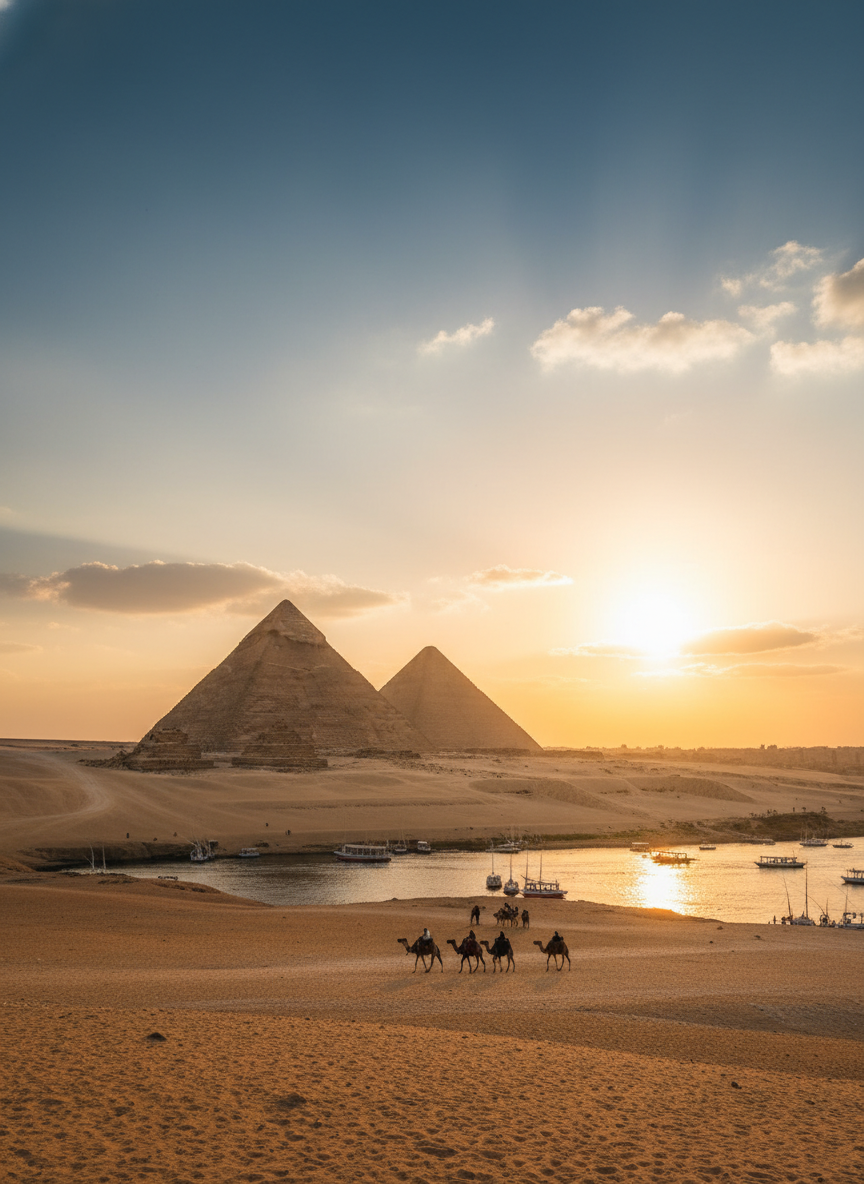
Are you captivated by the grandeur of Ancient Egypt? From the majestic pyramids of Giza to the intricate hieroglyphics adorning ancient temples, Ancient Egypt travel photography offers a unique way to experience this historical treasure. The juxtaposition of ancient architecture against the stark desert creates a visual feast that beckons photographers from around the world. Whether you’re a seasoned pro or just starting, there’s no denying the enchanting beauty of this ancient civilization.
Travel photography in Egypt isn’t just about snapping pictures; it’s about telling a story. Each photograph captures moments that echo the past, allowing you to share the rich history of this remarkable place. The challenge lies in capturing the essence of this ancient world while navigating the modernity that surrounds it. The fusion of history, culture, and stunning visuals makes Ancient Egypt travel photography an unforgettable experience.
Essential Tips for Capturing Stunning Ancient Egypt Travel Photography
To truly capture the essence of Ancient Egypt, you’ll need more than just a camera. Here are some essential tips to enhance your photography skills while exploring this ancient land:
- Research Your Locations: Before heading out, research which sites you want to visit. The Pyramids of Giza, Luxor Temple, and the Valley of the Kings are must-see landmarks. Consider using travel blogs and forums to gather insights from fellow travelers, which can often lead you to hidden gems.
- Golden Hour Magic: The best light for photography occurs during the golden hour, shortly after sunrise and before sunset. This soft, warm light will enhance the textures and colors of ancient structures. I still remember the breathtaking sunrise over the Nile, casting an ethereal glow on the temples—one of those moments that stays with you forever.
- Composition Matters: Use leading lines, foreground interest, and the rule of thirds to create dynamic compositions. Consider including people to add a sense of scale. I once captured a local vendor against the backdrop of the Sphinx, which added a story to the photo—showing the blend of ancient and modern life.
- Experiment with Angles: Don’t be afraid to get creative. Shoot from different heights and perspectives to capture unique angles of iconic structures. I found that crouching low to the ground while photographing the pyramids not only enhanced their towering stature but also allowed for interesting foreground elements.
- Bring the Right Gear: A DSLR or mirrorless camera is ideal, but even high-quality smartphones can do wonders. Bring extra batteries and memory cards, just in case. I learned the hard way when my camera battery died just as I was about to shoot the sunset over the Nile!
By following these tips, you’ll be better prepared to capture the stunning beauty of Ancient Egypt and create photographs that resonate with your audience.
Must-Visit Locations for Ancient Egypt Travel Photography
When it comes to Ancient Egypt travel photography, certain locations stand out as essential for capturing the essence of this remarkable civilization. Here’s a list of must-visit spots that should be on your itinerary:
The Pyramids of Giza
No trip to Egypt is complete without visiting the iconic Pyramids of Giza. The Great Pyramid, the largest of the trio, is a marvel of engineering and holds countless stories within its stones. Capture the pyramids against the backdrop of a dramatic sunset for breathtaking shots. On my visit, I woke up at the crack of dawn to witness the pyramids bathed in the soft morning light, and it was worth every second of the early rise.
The Sphinx
Just a stone’s throw from the pyramids, the Great Sphinx stands as a sentinel over the sands of time. Its mysterious presence offers a captivating subject for photographs. Play with angles and distances to create unique compositions. I remember framing the Sphinx with palm trees in the foreground, which added an interesting juxtaposition of nature and ancient history.
Luxor Temple
Known for its incredible architecture and history, Luxor Temple is another essential site. The towering columns adorned with hieroglyphics provide an extraordinary backdrop. Night photography here can yield stunning results when the temple is illuminated. I had the chance to visit Luxor Temple during a local festival, and capturing the vibrant lights against the ancient stones created a magical atmosphere.
Valley of the Kings
Home to the tombs of many pharaohs, the Valley of the Kings is both a historical and photographic treasure. Capture the intricate wall paintings and the dramatic landscape of the valley itself. I was particularly struck by the Tomb of Tutankhamun, where the vibrant colors of the murals told a story of life and death, and every photograph I took there felt like a connection to the past.
These sites are just a starting point. Every corner of Egypt offers new opportunities for stunning photography, and you never know what you might discover on your journey.
Understanding the Culture Behind Ancient Egypt Travel Photography
To truly appreciate Ancient Egypt travel photography, it’s vital to understand the cultural context behind the images you’re capturing. Ancient Egyptians had a profound belief in the afterlife, which influenced their art and architecture. Temples, tombs, and monuments were built with meticulous attention to detail, each telling a story about the individuals they were created for.
Moreover, the rich tapestry of Egyptian culture, from the colorful clothing of its people to the vibrant markets, adds another layer to your photography. Engaging with locals can provide insight and help you capture authentic moments that reflect the true spirit of Egypt. Don’t hesitate to ask for permission before taking someone’s photo; it’s a respectful way to honor their culture. One of my favorite shots was of a local woman at a market, her vibrant scarf contrasting beautifully with the earthy tones of the surroundings.
Technical Considerations for Ancient Egypt Travel Photography
While artistic vision is crucial, technical skills are essential in Ancient Egypt travel photography. Here are some technical aspects to keep in mind:
Camera Settings
Understanding your camera settings can significantly enhance your photographs. Use a lower ISO in bright conditions to avoid graininess, and adjust your aperture to control depth of field. For landscapes, a higher f-stop can help keep everything in focus. I often set my camera to aperture priority mode to give myself the flexibility to adapt to changing light conditions.
Post-Processing
Editing your photos can elevate them to the next level. Use software like Adobe Lightroom or Photoshop to adjust exposure, contrast, and color balance. Be mindful of not over-editing; the goal is to enhance the natural beauty of your photos. A subtle increase in vibrancy can bring out the rich colors found in Egyptian art and architecture.
Sharing Your Ancient Egypt Travel Photography
Once you’ve captured stunning images of Ancient Egypt, sharing them is the final step. Consider creating a portfolio or blog dedicated to your travels. Social media platforms like Instagram and Pinterest are also excellent venues for showcasing your work. Use relevant hashtags to reach a broader audience interested in travel photography and Egypt. I found that engaging with other travel photographers online not only inspired my work but also connected me with a supportive community.
Additionally, consider entering photography contests or submitting your work to travel magazines. This exposure can help build your reputation as a travel photographer and connect you with like-minded individuals. If you’re interested in finding resources about travel photography, check out the Affordable Housing Canada Blog for insights into creating a compelling narrative with your images.
FAQs
What gear do I need for Ancient Egypt travel photography?
A DSLR or mirrorless camera, a sturdy tripod, and an array of lenses (wide-angle and zoom) are recommended for capturing the diverse settings of Egypt. If you’re traveling light, a good smartphone can also serve you well.
When is the best time to visit Egypt for photography?
The best time is during the cooler months, from October to April. The weather is pleasant, and you’ll avoid the extreme heat, which can make photography both challenging and less enjoyable.
Can I photograph locals in Egypt?
Yes, but always ask for permission. Engaging with locals can enrich your photography and create meaningful moments. I found that most people were happy to share their stories and allowed me to capture their essence through my lens.
Are there any restrictions on photography at historical sites?
Some sites may have restrictions, especially in tombs. Always check for signage and respect the rules. It’s important to be aware that flash photography is often prohibited to preserve the integrity of the artwork.
How do I edit my travel photos?
Use editing software like Lightroom or Photoshop to enhance colors and correct exposure. Keep it natural to maintain the integrity of your photographs. Sometimes, a simple crop can make a huge difference in the overall composition.
