Disclosure: This post may contain affiliate links. We may earn a commission at no extra cost to you.
Exploring Uyuni Salt Flat Bolivia: An Overview
Have you ever dreamed of walking on a mirror? The Uyuni Salt Flat in Bolivia offers you a chance to do just that. Covering over 10,000 square kilometers, this breathtaking expanse of salt isn’t just any ordinary flat; it’s the largest salt flat in the world. Formed from the remnants of ancient lakes, Uyuni’s unique terrain offers stunning views that attract photographers, adventurers, and nature lovers alike. When you first set foot on this sprawling expanse, you’re greeted by a surreal sight—endless white salt stretching as far as the eye can see, creating an illusion of a vast sea.
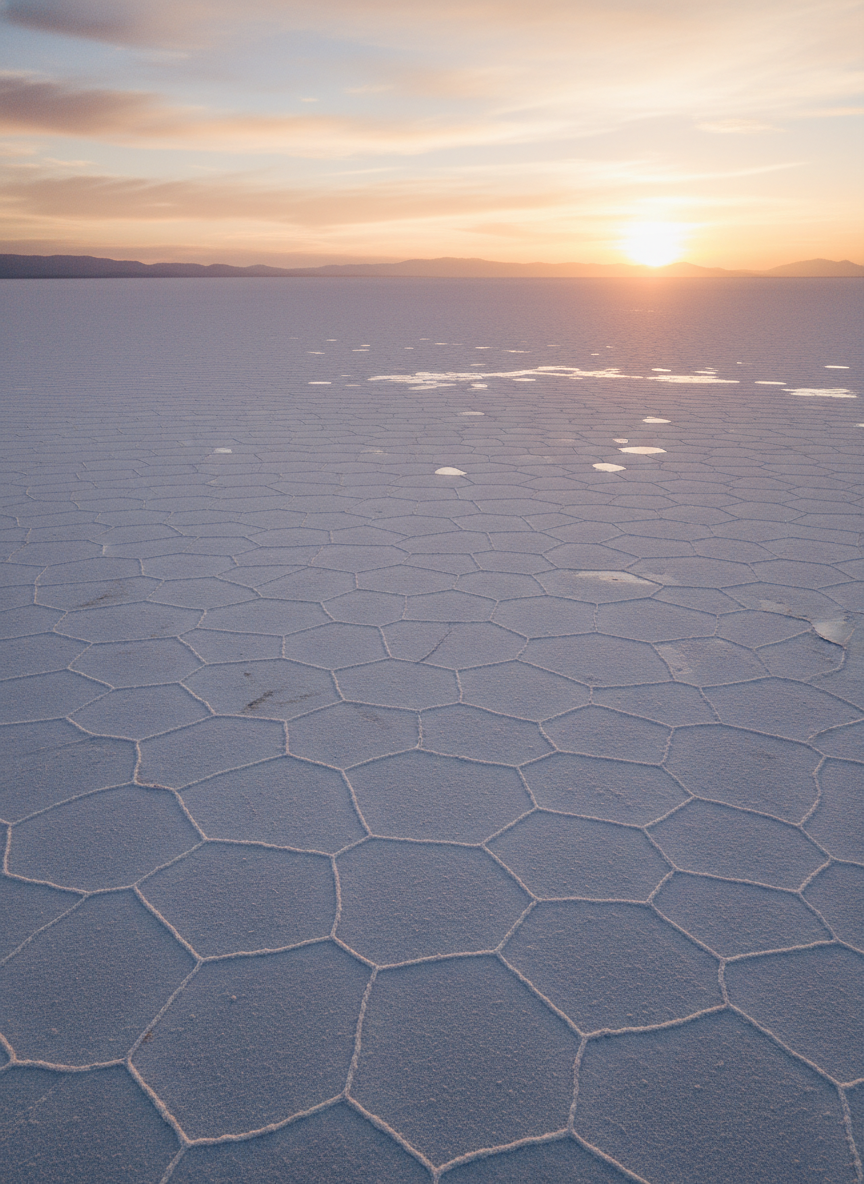
Understanding the Uyuni Salt Flat Bolivia is crucial before planning your visit. The best time to see this natural wonder depends largely on what you want to experience. The dry season, from May to November, reveals the flat’s crusty surface, dotted with hexagonal salt formations. In contrast, the rainy season, especially around January to March, transforms Uyuni into a reflective mirror, creating a breathtaking panoramic view that seems to blend the sky and land. These seasonal changes impact not only the aesthetics but also the activities available for tourists.
How to Get to Uyuni Salt Flat Bolivia
Traveling to Uyuni Salt Flat Bolivia is an adventure in itself. Most visitors start their journey in the city of Uyuni, which serves as a gateway to the salt flats. You can reach Uyuni by bus or train from major cities like La Paz or Potosí. The bus ride from La Paz takes about 10-12 hours, while a train offers a scenic alternative. If you’re short on time, consider booking a domestic flight to Uyuni.
Once in Uyuni, you’ll find a variety of tour operators ready to take you to the salt flats. These tours range from half-day excursions to multi-day adventures that include visits to nearby attractions like the train graveyard and the colorful lagoons. It’s advisable to book your tour in advance, especially during peak seasons, to ensure you get the experience you desire.
Best Time to Visit Uyuni Salt Flat Bolivia
The timing of your visit to the Uyuni Salt Flat Bolivia can significantly affect your experience. Each season offers distinct characteristics. During the dry season, the salt crust is solid, allowing for activities such as 4×4 tours and bike rides across the flat. You can explore the unique salt formations and even visit the Incahuasi Island, known for its giant cacti.

On the flip side, the rainy season transforms the landscape into a stunning mirror effect. This typically occurs from late December through March. However, this period comes with its challenges; flooding can restrict access to certain areas, and the weather can be unpredictable. Despite these challenges, many photographers and travelers believe that witnessing the reflective surface is well worth the inconvenience.
Activities to Enjoy at Uyuni Salt Flat Bolivia
The Uyuni Salt Flat Bolivia isn’t just about the scenery; it offers a plethora of activities to keep you engaged. One of the most popular activities is taking a tour of the salt flat, where you can often include trips to nearby attractions like the Eduardo Avaroa Andean Fauna National Reserve. Here, you can spot flamingos in the high-altitude lagoons and see the stunning colors of the mineral-rich waters.
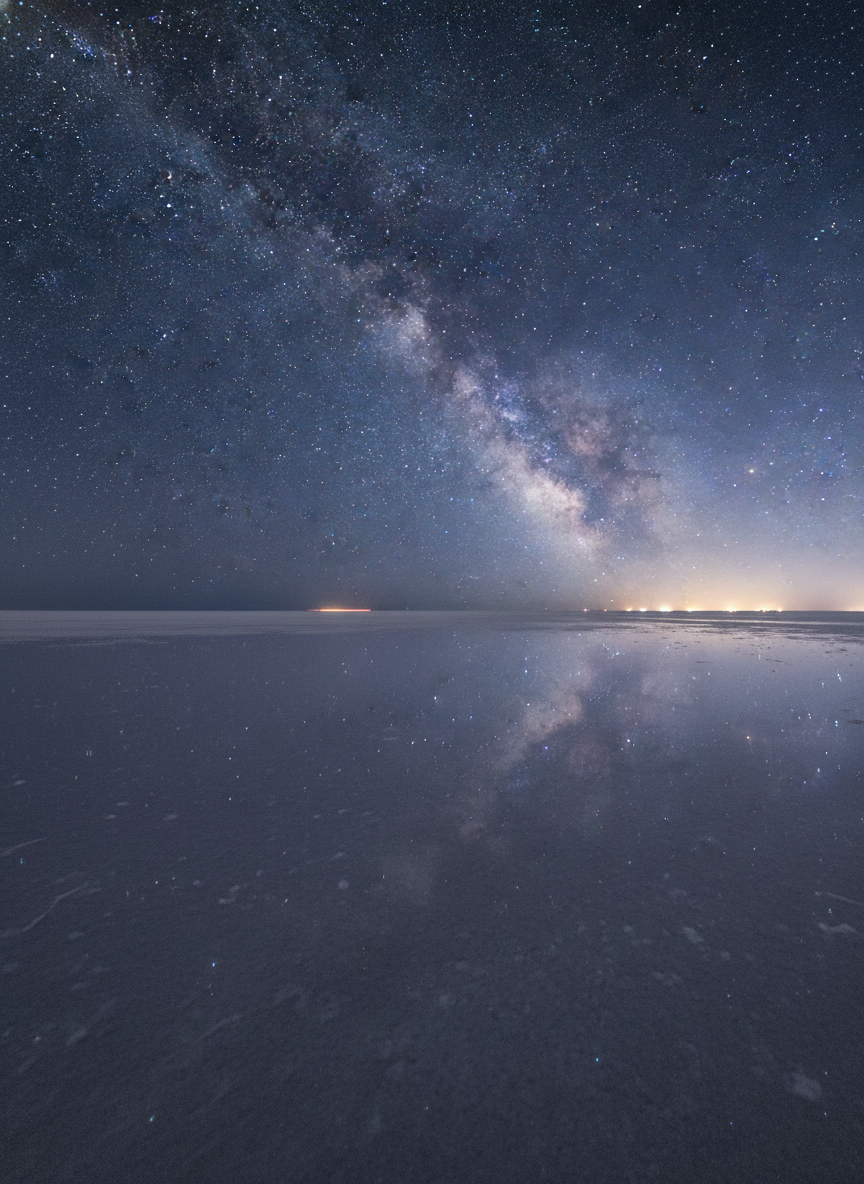
Photography, especially during sunrise and sunset, is a must. The colors reflect beautifully off the salt, creating a magical ambiance. For adventure enthusiasts, consider a bike tour across the flat or even a night spent camping under the stars. Many tour companies offer packages that include stargazing, providing an unforgettable experience. Explore the Beauty of Japan Arashiyama Bamboo Forest
What to Bring for Your Uyuni Salt Flat Bolivia Adventure
When preparing for your trip to the Uyuni Salt Flat Bolivia, packing wisely is essential. First and foremost, you’ll want to ensure you have appropriate clothing. Even in summer, temperatures can drop at night, so bringing warm layers is crucial. A good pair of hiking shoes or boots is also recommended, as the salt crust can be uneven in places.
Sun protection is vital too. High-altitude sun exposure can be intense, so pack sunscreen, sunglasses, and a wide-brimmed hat. If you’re planning to stay overnight, consider bringing a sleeping bag and additional food supplies, as some tours may not provide meals. Lastly, a good camera is a must to capture the stunning vistas you’ll encounter.
Unique Features of Uyuni Salt Flat Bolivia
The Uyuni Salt Flat Bolivia boasts several unique features that set it apart from other natural wonders. One of the most striking is the hexagonal salt formations that dominate the terrain. These formations are not only visually captivating but also serve as a testament to the geological processes that shaped the area over thousands of years.
Another notable feature is the presence of ancient salt hotels. Constructed entirely from salt blocks, these hotels offer a quirky yet authentic experience for travelers. Staying in one of these hotels allows you to appreciate the unique culture and lifestyle of the local communities that rely on salt harvesting.
Where to Stay Near Uyuni Salt Flat Bolivia
Finding accommodation near Uyuni Salt Flat Bolivia is straightforward, with options ranging from budget hostels to luxurious hotels. The town of Uyuni itself has a variety of hotels and guesthouses that cater to different budgets. If you prefer a unique experience, consider staying at a salt hotel, where you can enjoy the charm of being surrounded by salt blocks.
For those looking for more luxury, several upscale hotels offer stunning views of the salt flats. Many of these accommodations provide guided tours and other amenities to enhance your stay. Regardless of your choice, it’s advisable to book in advance, particularly during peak tourist season.

Preserving Uyuni Salt Flat Bolivia
As tourism grows in Uyuni, the preservation of this natural wonder becomes increasingly crucial. The salt flats are not just a tourist attraction; they play a significant role in the local ecosystem and economy. Efforts are being made to balance tourism with conservation. This includes regulations from local authorities aimed at minimizing environmental impact and promoting sustainable tourism practices. Explore the Magic of Faroe Islands Photography
Visitors can do their part by respecting the area—staying on designated paths, avoiding littering, and supporting local businesses. Engaging with local communities and understanding their way of life can also contribute to the preservation of this incredible site.
FAQs about Uyuni Salt Flat Bolivia
1. How do I get to Uyuni Salt Flat Bolivia from La Paz?
You can take a bus, which takes around 10-12 hours, or opt for a train ride for a scenic view. Flights are also available for quicker access.
2. What’s the best time for photography at Uyuni Salt Flat Bolivia?
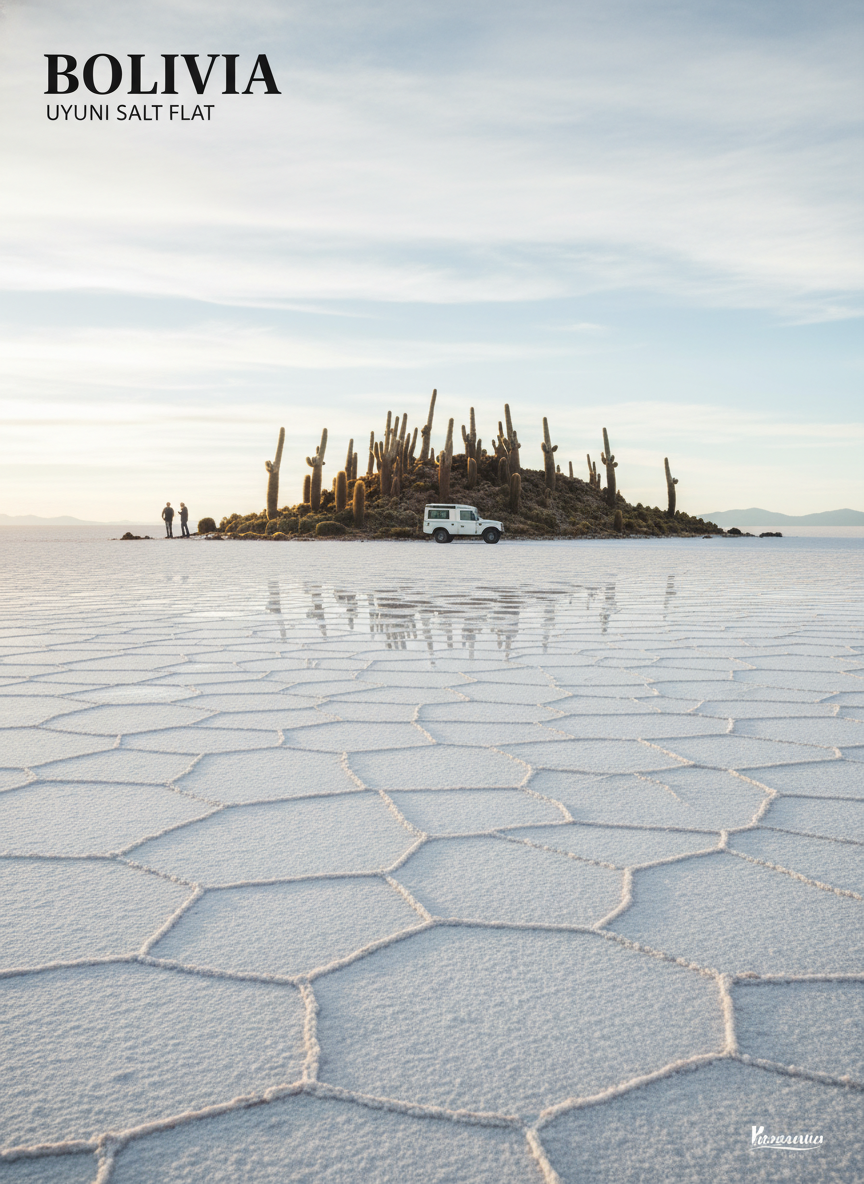
The best time for photography is during the rainy season (January to March) when the flats resemble a giant mirror, but the dry season offers stunning salt formations.
3. Is it safe to visit Uyuni Salt Flat Bolivia?
Yes, it’s generally safe for tourists, but it’s important to take standard precautions like staying with a group and being mindful of altitude sickness.
4. Can I camp on the Uyuni Salt Flat?
Yes, many tour companies offer camping options, which provide a unique way to experience the stunning night sky.
5. What should I pack for my trip to Uyuni Salt Flat Bolivia?
Pack layers for varying temperatures, sunscreen, comfortable footwear, and a good camera to capture the incredible scenery.
