
Disclosure: This post may contain affiliate links. We may earn a commission at no extra cost to you.
Understanding the National Guard VA Home Loan
The national guard va home loan is a specialized mortgage option designed specifically for members of the National Guard and other eligible military personnel. If you’re part of this dedicated group, you might be aware of the numerous benefits that come with VA loans. These loans can significantly reduce the barriers to home ownership, making it easier for you to secure a place to call your own.
One of the standout features of a national guard va home loan is that it often requires no down payment. This can be a game-changer for many service members who might struggle to save the typical 20% down payment required by conventional loans. Additionally, VA loans generally come with lower interest rates and don’t require private mortgage insurance (PMI), which can save you thousands over the life of your loan.
Consider the story of Sergeant James, a National Guard member who recently purchased his first home using a VA loan. After years of serving part-time while balancing civilian life, he found saving for a down payment nearly impossible. Thanks to the no down payment option, he was able to buy a cozy home in his hometown, something he thought would be out of reach for years. His experience highlights how VA loans can transform lives by making home ownership attainable.
Eligibility Requirements for the National Guard VA Home Loan
To qualify for a national guard va home loan, you must meet specific eligibility criteria. Primarily, you need to be an active member of the National Guard or have served in the Guard for a certain period. The eligibility requirements can vary, so it’s essential to check the latest guidelines from the U.S. Department of Veterans Affairs.
Typically, to be eligible, you must have completed at least six years of service in the National Guard. If you’ve been called to active duty, this can further enhance your eligibility. Additionally, the VA requires that you have a good credit score and a stable income to ensure that you can manage your mortgage payments. It’s always a good idea to consult with a VA loan specialist to determine your eligibility and get pre-approved.
For instance, Private First Class Ella, who served for over six years, was initially unsure if she qualified for the loan. After consulting a VA loan specialist, she learned that her years of service, coupled with her stable job in the civilian sector, made her eligible. This discovery empowered her to move forward with her home purchase, proving that knowledge is a powerful tool in the home-buying process.
Benefits of the National Guard VA Home Loan
There are numerous benefits associated with the national guard va home loan that can make home buying a more accessible venture. First off, as mentioned, the lack of a required down payment is a significant advantage. This means you can purchase a home without the financial burden of saving for years.
Additionally, the interest rates for VA loans are typically lower than for conventional loans. This means that your monthly payments will be more manageable, and you’ll pay less in interest over the life of the loan. Furthermore, VA loans don’t require PMI, which can save you hundreds of dollars each month, making home ownership even more feasible.
Let’s take a look at a comparison table that outlines some of these benefits:
| Feature | VA Loan | Conventional Loan |
|---|---|---|
| Down Payment | No down payment required | Typically 20% |
| Interest Rates | Generally lower | Varies based on credit score |
| Private Mortgage Insurance (PMI) | No PMI required | PMI required if down payment < 20% |
| Closing Costs | Lower, negotiable | Higher, can’t be negotiated |
How to Apply for a National Guard VA Home Loan
Applying for a national guard va home loan is a straightforward process, but you’ll need to prepare a few things beforehand. Start by gathering your financial documents, including your credit report, proof of income, and any other documentation that showcases your financial history. How Bad Is Monster Zero Sugar for You?
Next, approach a lender who specializes in VA loans. They’ll guide you through the application process and ensure that you understand each step. After submitting your application, the lender will evaluate your eligibility, and if approved, you’ll receive a Certificate of Eligibility, which is crucial for moving forward with your loan.
Take, for example, Corporal Mike, who was eager to buy his first home. He started by gathering his documents, including pay stubs and tax returns. Once he connected with a knowledgeable VA lender, the process became much clearer. They walked him through application requirements, easing his concerns and helping him secure his Certificate of Eligibility in record time.

Common Misconceptions About VA Loans
Many myths surround the national guard va home loan, leading to confusion among potential borrowers. One common misconception is that all veterans qualify for VA loans, which isn’t true. Each applicant must meet specific eligibility requirements, which can vary based on the length and type of service.
Another myth is that VA loans are only for first-time homebuyers. This is false; you can use a VA loan multiple times, provided you’ve paid off your previous loan or restored your entitlement. Understanding these nuances is crucial to maximizing the benefits of a VA loan.
Consider the case of Lieutenant Sarah, who thought she could never use a VA loan again after her first home purchase. After some research, she found out that she could still take advantage of VA loan benefits by restoring her entitlement, allowing her to buy a new home when her family grew.
Frequently Asked Questions About National Guard VA Home Loans
Can I use a National Guard VA home loan for investment properties?
No, VA loans are primarily intended for purchasing primary residences. However, you can buy a multi-unit property as long as you occupy one of the units.
Is there a time limit for using my National Guard VA home loan benefits?
No, there isn’t a strict time limit for using your benefits. However, the sooner you utilize them, the better, as they can help you achieve homeownership sooner.
What happens if I default on my National Guard VA home loan?
If you default, the VA can help you avoid foreclosure through various assistance programs. It’s essential to communicate with your lender if you’re facing financial difficulties.
Are there closing costs associated with VA loans?
Yes, VA loans do come with some closing costs, but they can be negotiated. Some lenders allow the seller to cover these costs, making the process more affordable for you.
Do I need to pay property taxes on a VA loan?
Yes, even with a VA loan, you’re responsible for property taxes. These taxes vary by location, so it’s essential to factor them into your budget. How to Finance International Travel: Expert Tips & Strategies
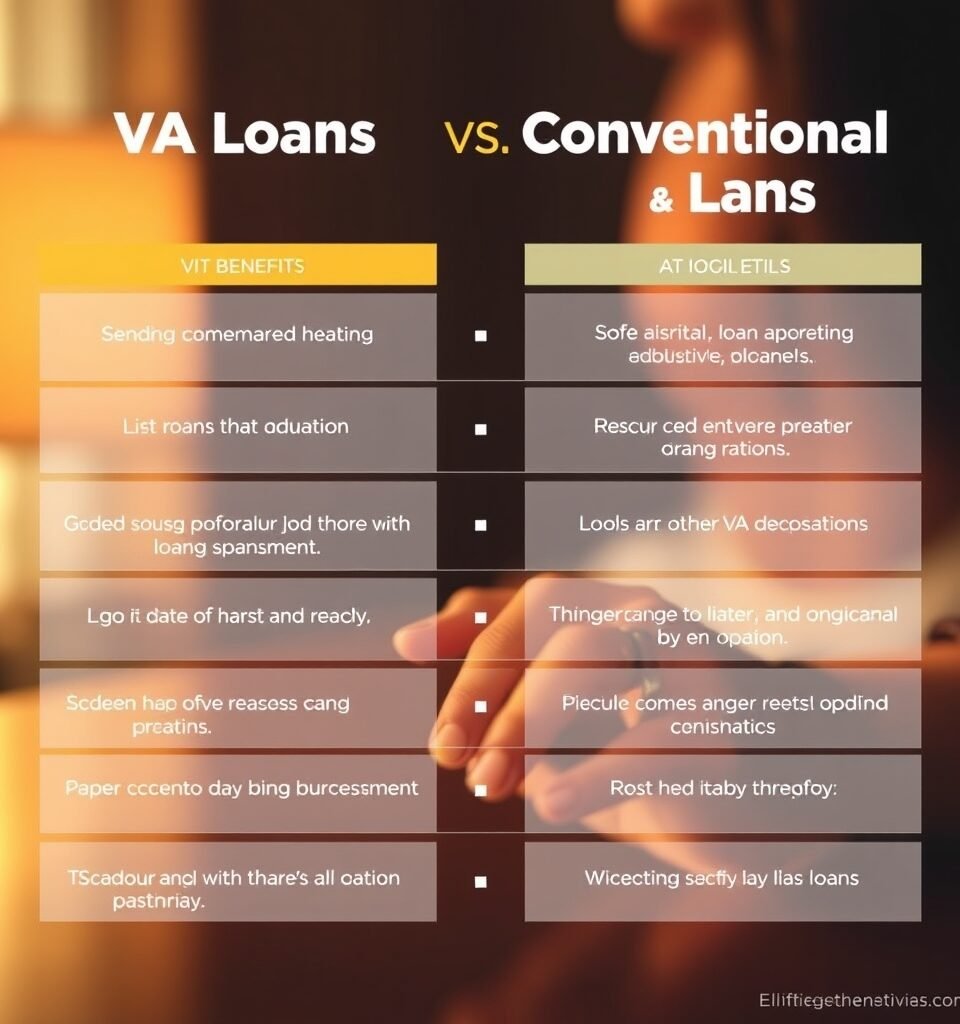
Comparing VA Loans to Conventional Loans
When considering a mortgage, you might wonder how the national guard va home loan stacks up against conventional loans. There are several key differences. One of the most significant advantages of VA loans is the ability to secure financing without a down payment. In contrast, most conventional loans require a substantial down payment that can be a barrier for many buyers.
Interest rates are usually lower for VA loans, which means lower monthly payments. This can make a significant difference in your overall financial picture. Moreover, VA loans do not require PMI, which is often mandatory for conventional loans when your down payment is less than 20%. This absence of PMI can save you a considerable amount of money each month.
For instance, if you were to purchase a $250,000 home with a conventional loan, a 20% down payment would mean coughing up $50,000 right off the bat. In contrast, with a VA loan, you could finance the entire amount, which might allow you to invest that initial cash in home improvements or other investments that could yield greater returns over time.
Tips for Successfully Navigating the VA Loan Process
To make the most of your national guard va home loan, consider these practical tips. First, get pre-approved before you start house hunting. This will give you a clear idea of your budget and make you more attractive to sellers. Additionally, keep your credit score in good shape; even though VA loans have flexible standards, a higher score can help you secure better terms.
Work with a lender who has experience with VA loans. They can provide insights specific to your situation and help you navigate the application process smoothly. Finally, don’t hesitate to ask questions; understanding every aspect of the loan can empower you to make informed decisions.
For example, Sergeant Lisa decided to seek advice from her peers who had navigated the VA loan process before. By hearing their experiences and tips, she felt much more confident going into her own application process. She also learned about potential pitfalls to avoid, which ultimately saved her time and stress.
Resources for National Guard Members
There are various resources available to assist National Guard members in navigating the home loan process. The U.S. Department of Veterans Affairs website is a treasure trove of information, offering everything from eligibility guidelines to application instructions. You can also find local VA offices that can provide tailored assistance based on your location.
Additionally, consider reaching out to veteran service organizations. These groups often provide free counseling and can help you understand your benefits better. They can also guide you in connecting with lenders who specialize in VA loans, ensuring that you get the best deal possible.
For example, the National Guard Association of the United States offers resources specifically for Guard members looking to buy homes. They provide workshops and access to financial counselors who can help you navigate the often complex world of home financing.
Conclusion
The national guard va home loan can be a fantastic opportunity for National Guard members looking to buy a home. With benefits like no down payment, lower interest rates, and no PMI, it’s an option worth considering. Make sure you understand the eligibility requirements, gather your documents, and consult with a knowledgeable lender to begin your journey toward homeownership. Remember, this is your chance to invest in a future you can call your own.
For additional insights on financial decisions, including tips on travel loans, check out How to Choose a Travel Loan: Your Complete Guide. Whether you’re exploring home ownership or planning your next adventure, being informed is key!
