Disclosure: This post may contain affiliate links. We may earn a commission at no extra cost to you.
Understanding the Basics of Micro Computers
Ever wondered what makes a microcomputer stand out among the vast array of computing devices available today? A microcomputer, often referred to as a personal computer (PC), is defined as a compact computing device designed for individual use. These machines are built around a microprocessor, which serves as the central processing unit (CPU) of the computer, executing instructions and managing data. Unlike larger computing systems, microcomputers are typically characterized by their affordability, versatility, and ease of use, making them a popular choice for both personal and professional applications.
Microcomputers can be further divided into various categories, including desktops, laptops, and tablets. Each type serves specific user needs, from casual browsing and gaming to complex data analysis and software development. What sets microcomputers apart from more powerful systems, like mainframes or supercomputers, is their ability to deliver adequate processing power at a fraction of the cost. This democratization of technology has made computing accessible to a broader audience, leading to the widespread adoption of microcomputers across different sectors.
Key Features of Micro Computers
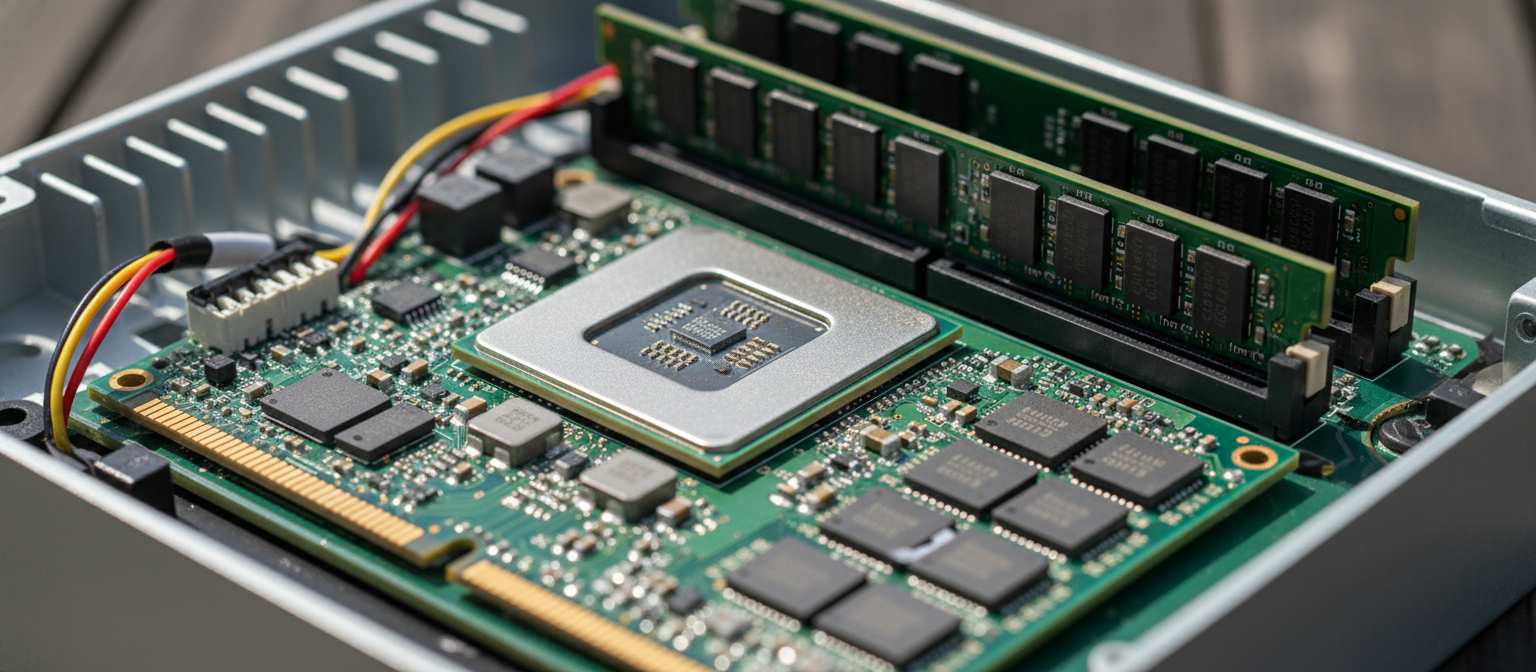
When exploring what a microcomputer is, it’s essential to understand its distinctive features. Microcomputers come equipped with essential components, including a microprocessor, memory (RAM and storage), input/output interfaces, and peripherals. The microprocessor is at the heart of the microcomputer, responsible for executing instructions and performing calculations.
Here are some of the key features that define microcomputers:
- Compact Size: Microcomputers are designed to be space-efficient, often fitting on a desk or being portable like laptops.
- Affordability: They offer a cost-effective solution for individual users and small businesses, making them accessible to a wider audience.
- User-Friendly Interfaces: Most microcomputers come with intuitive operating systems, allowing users to navigate easily.
- Diverse Applications: From gaming and entertainment to professional tasks like programming and graphic design, microcomputers can handle various workloads.
These features have significantly influenced how individuals and businesses employ technology in their daily operations. The growing reliance on microcomputers for tasks ranging from simple document editing to complex data analytics underscores their versatility.
Types of Micro Computers
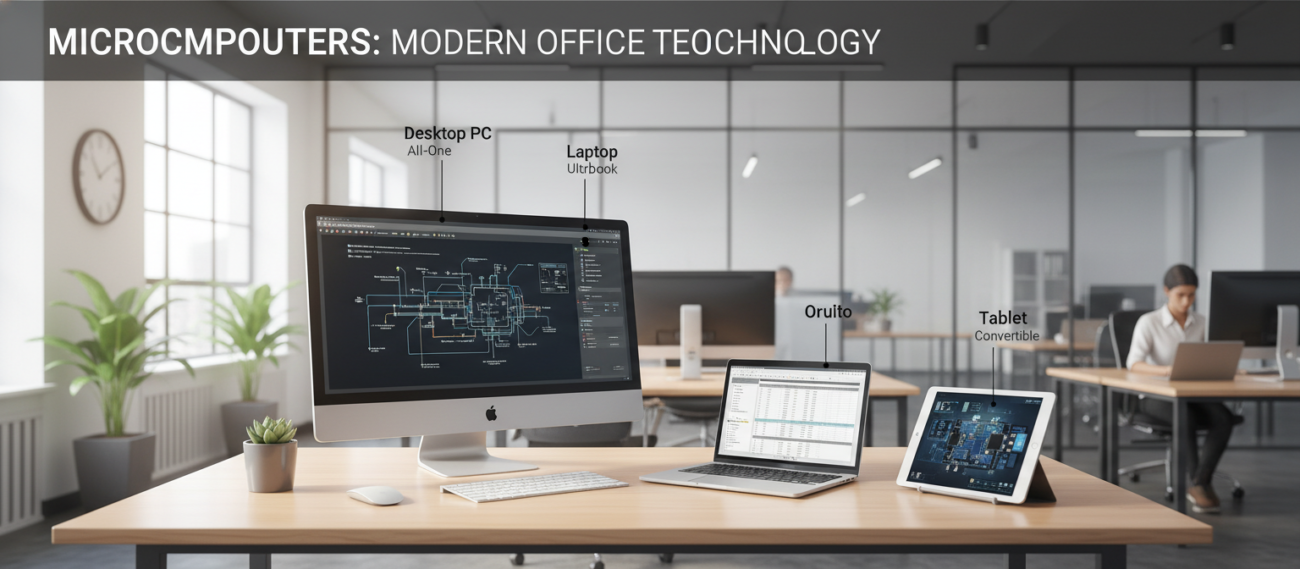
Microcomputers can be classified into several types based on their form factor and intended use. Understanding these categories helps you choose the right device for your needs. Here’s a brief overview of the most common types:
- Desktop Computers: These are traditional microcomputers designed to be used at a fixed location. They usually consist of separate components, including a monitor, keyboard, and CPU unit.
- Laptops: Laptops are portable microcomputers that integrate all components into a single unit. They’re ideal for users who need computing power on the go.
- Tablets: Tablets offer touch interfaces and portability, making them a popular choice for casual browsing, reading, and light productivity tasks.
- All-in-One PCs: These combine the monitor and CPU into one unit, providing a clean, space-saving design that’s great for home or office use.
Each type of microcomputer serves different user needs. For instance, if you’re a student or a professional who travels frequently, a laptop might be the best choice. Conversely, if you require a powerful machine for graphic design or gaming, a high-spec desktop computer could be more suitable.
The Evolution of Micro Computers
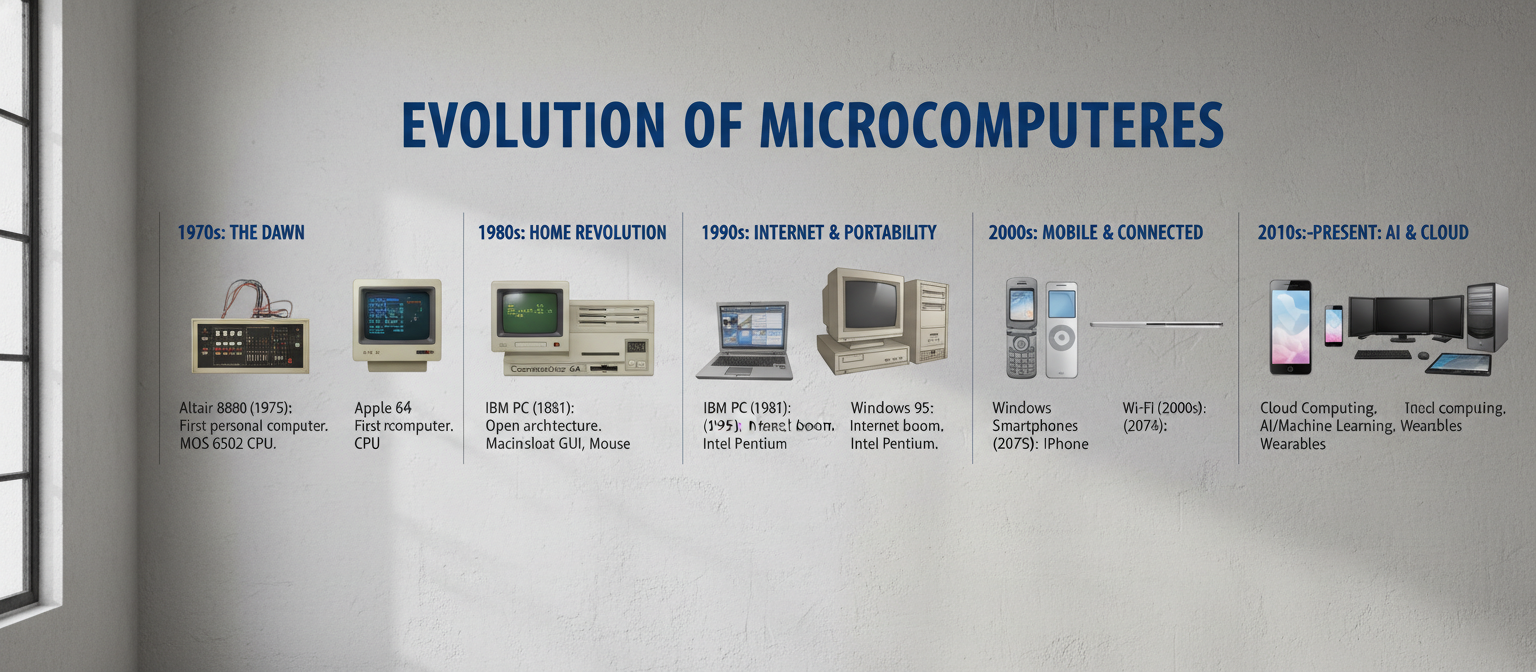
The journey of microcomputers dates back to the early 1970s when the first microprocessors were developed. These innovations paved the way for the creation of personal computers, which became increasingly sophisticated throughout the decades. The introduction of the IBM PC in 1981 revolutionized the market and set the standard for future microcomputers. What is Financial Loan: Understanding the Basics and Benefits
Over the years, microcomputers have undergone significant advancements in terms of processing power, storage capacity, and functionality. Early models were limited in capabilities and often required technical knowledge to operate. Today’s microcomputers are user-friendly, equipped with powerful processors, expansive memory, and high-resolution displays.
Furthermore, software development has also evolved dramatically. The rise of operating systems like Windows, macOS, and Linux has made it easier for users to interact with their devices and perform complex tasks with ease. With ongoing advancements in technology, microcomputers continue to adapt, providing users with innovative features and functionalities.
Applications of Micro Computers
Microcomputers have diverse applications that span multiple industries and use cases. Here are some of the primary areas where microcomputers play a crucial role:
- Education: Microcomputers are essential in modern classrooms, enabling students to access information, conduct research, and complete assignments efficiently.
- Business: Organizations leverage microcomputers for tasks such as data analysis, financial management, and communication, enhancing productivity and decision-making.
- Gaming: The gaming industry has seen a surge in popularity for microcomputers, with powerful hardware catering to demanding gaming experiences.
- Content Creation: Writers, designers, and filmmakers utilize microcomputers to develop creative content, from documents and graphics to videos.
These applications demonstrate the importance of microcomputers in daily life, workplace efficiency, and creative expression. Their ability to adapt to various user needs makes them an integral part of modern society.
Choosing the Right Micro Computer
When it comes to selecting a microcomputer, there are several factors to consider. First, assess your needs. Are you looking for a machine primarily for browsing the internet and checking emails, or do you require a more powerful system for gaming or graphic design? Knowing your primary use will help narrow down your options.
Next, consider the specifications of the machine. Key components include:
- Processor: Look for a modern CPU that can handle your workload efficiently.
- RAM: A minimum of 8GB is recommended for most tasks, while 16GB or more is ideal for gaming and heavy multitasking.
- Storage: Decide between SSDs for speed or traditional HDDs for larger storage capacities.
Finally, think about your budget. Microcomputers come in various price ranges, so it’s important to find one that meets your needs without breaking the bank. By considering these factors, you’ll be better equipped to choose the right microcomputer for your requirements. Top 10 Code editor in 2026
Future Trends in Micro Computers
The future of microcomputers looks bright, with ongoing advancements in technology promising exciting developments. Emerging trends include:
- Increased Portability: Lighter, thinner designs are becoming more prevalent, making computers even easier to carry.
- Improved Performance: With advancements in processors and memory technologies, microcomputers will continue to deliver faster and more efficient performance.
- Integration of AI: Artificial Intelligence is set to play a significant role in how users interact with their devices, providing personalized experiences.
These trends indicate that microcomputers will continue to evolve, adapting to the changing needs of users in an increasingly digital world.
Conclusion
In summary, understanding what a microcomputer is unveils the essential role these devices play in our lives. From their historical evolution and diverse applications to their future trends, microcomputers are more than just personal devices; they’re powerful tools that enhance productivity and creativity. Whether you’re a student, professional, or casual user, there’s a microcomputer designed to meet your needs.
FAQs
What is a microcomputer used for?
A microcomputer is used for various tasks, including web browsing, gaming, content creation, and business applications. Its versatility makes it suitable for both personal and professional use.
Are microcomputers suitable for gaming?
Yes, many microcomputers are equipped with powerful processors and graphics cards, making them suitable for gaming applications. However, it’s essential to choose one with the right specifications.
What is the difference between a microcomputer and a mainframe?
Microcomputers are designed for individual use and are smaller and more affordable than mainframes, which are large systems used by organizations for bulk data processing.
How do I choose the right microcomputer?
Consider your needs, specifications (like processor and RAM), and budget when choosing a microcomputer. This will help you find one that fits your requirements.
What are some examples of microcomputers?
Examples of microcomputers include desktops, laptops, tablets, and all-in-one PCs. Each type serves different user needs and preferences.
