Disclosure: This post may contain affiliate links. We may earn a commission at no extra cost to you.
Discover the Importance of Healthy Eating
Are you looking to improve your diet but don’t know where to start? Healthy eating doesn’t have to be complicated. In fact, it can be enjoyable and beneficial for your overall well-being. Eating the right foods can boost your energy, improve your mood, and reduce the risk of chronic diseases. The foundation of a nutritious diet lies in understanding which foods are the most beneficial for your body.
The concept of ‘healthy food’ can vary greatly, but generally, it refers to foods that are high in nutrients and low in unhealthy fats, sugars, and sodium. By incorporating a variety of these foods into your daily meals, you can achieve a well-balanced diet that supports your health. This article highlights the Top 10 Healthy Foods you should consider adding to your grocery list.
1. Leafy Greens
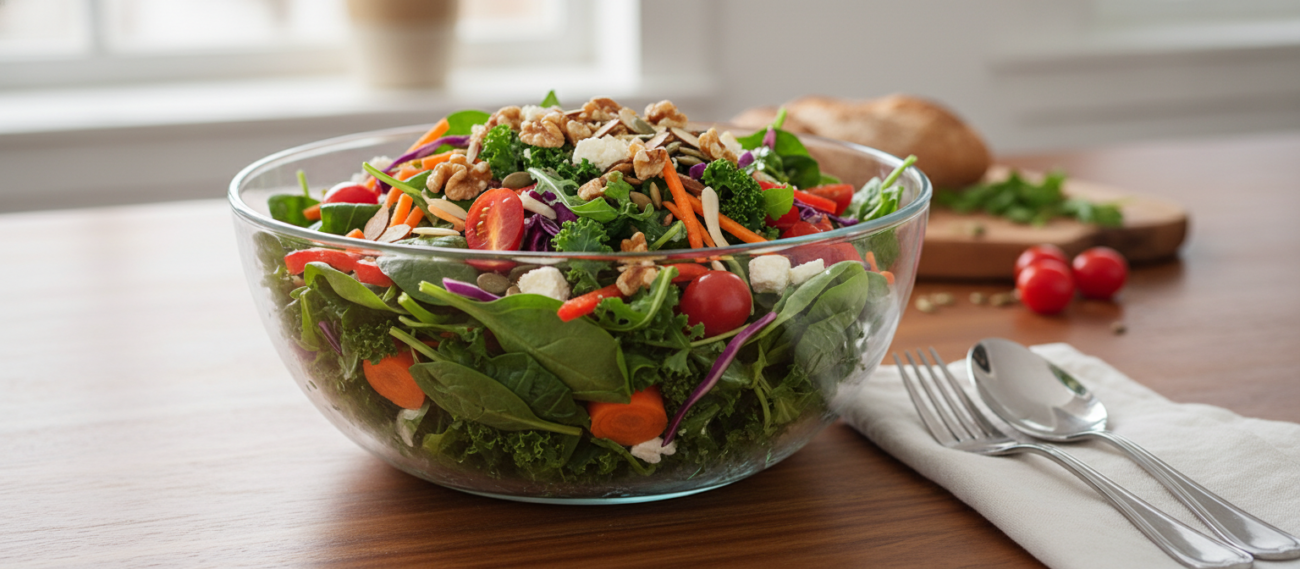
Leafy greens, such as spinach, kale, and Swiss chard, are powerhouses of nutrition. They are rich in vitamins A, C, and K, as well as minerals like iron and calcium. Including these greens in your diet can help improve your vision, boost your immune system, and strengthen your bones. One of the best aspects of leafy greens is their versatility; you can add them to smoothies, salads, or stir-fries for a nutritious boost.
Moreover, leafy greens are low in calories but high in fiber, making them an excellent choice for weight management. They keep you feeling full longer, which can help reduce snacking on unhealthy options. So, whether you sauté them, toss them in a salad, or blend them into a smoothie, leafy greens should definitely earn a spot in your diet.
The Benefits of Kale
Kale, often dubbed a superfood, is loaded with antioxidants and has numerous health benefits. It’s particularly known for its ability to support heart health, thanks to its high fiber content and cholesterol-lowering properties. Additionally, kale is a source of lutein and zeaxanthin, nutrients that promote eye health. Make it a habit to incorporate kale into your meals, whether in salads, soups, or even baked into crispy chips.
2. Berries
Berries, such as blueberries, strawberries, and raspberries, are not only delicious but also incredibly nutritious. They are packed with antioxidants, vitamins, and minerals, making them an excellent choice for a healthy snack. Berries can help reduce inflammation, improve heart health, and even enhance brain function. Their high fiber content also makes them beneficial for digestive health.
One of the best ways to enjoy berries is by adding them to your breakfast. Whether you sprinkle them on oatmeal, mix them into yogurt, or blend them into smoothies, they add a burst of flavor and nutrition. Plus, their natural sweetness can reduce your craving for added sugars.
Choosing Organic Berries
When possible, opt for organic berries. They tend to have a higher antioxidant content and are free from harmful pesticides. Washing berries thoroughly is essential, but organic options can provide peace of mind regarding chemical exposure.
3. Fatty Fish
Fatty fish, such as salmon, mackerel, and sardines, are excellent sources of omega-3 fatty acids. These healthy fats are crucial for brain health and can significantly reduce the risk of heart disease. Regular consumption of fatty fish has been linked to improved mental health, including reduced symptoms of depression and anxiety.
Incorporating fatty fish into your diet can be simple. Aim for at least two servings a week. You can grill, bake, or even enjoy fish raw in sushi. Pairing fish with a side of leafy greens or whole grains can create a balanced and nutritious meal.
Health Benefits of Omega-3 Fatty Acids
Omega-3 fatty acids are known to lower blood pressure, decrease triglycerides, and reduce the risk of heart attack and stroke. They also have anti-inflammatory properties, making them beneficial for conditions such as arthritis. If you’re not keen on eating fish, consider fish oil supplements or plant-based omega-3 sources like flaxseeds and chia seeds.
4. Nuts and Seeds
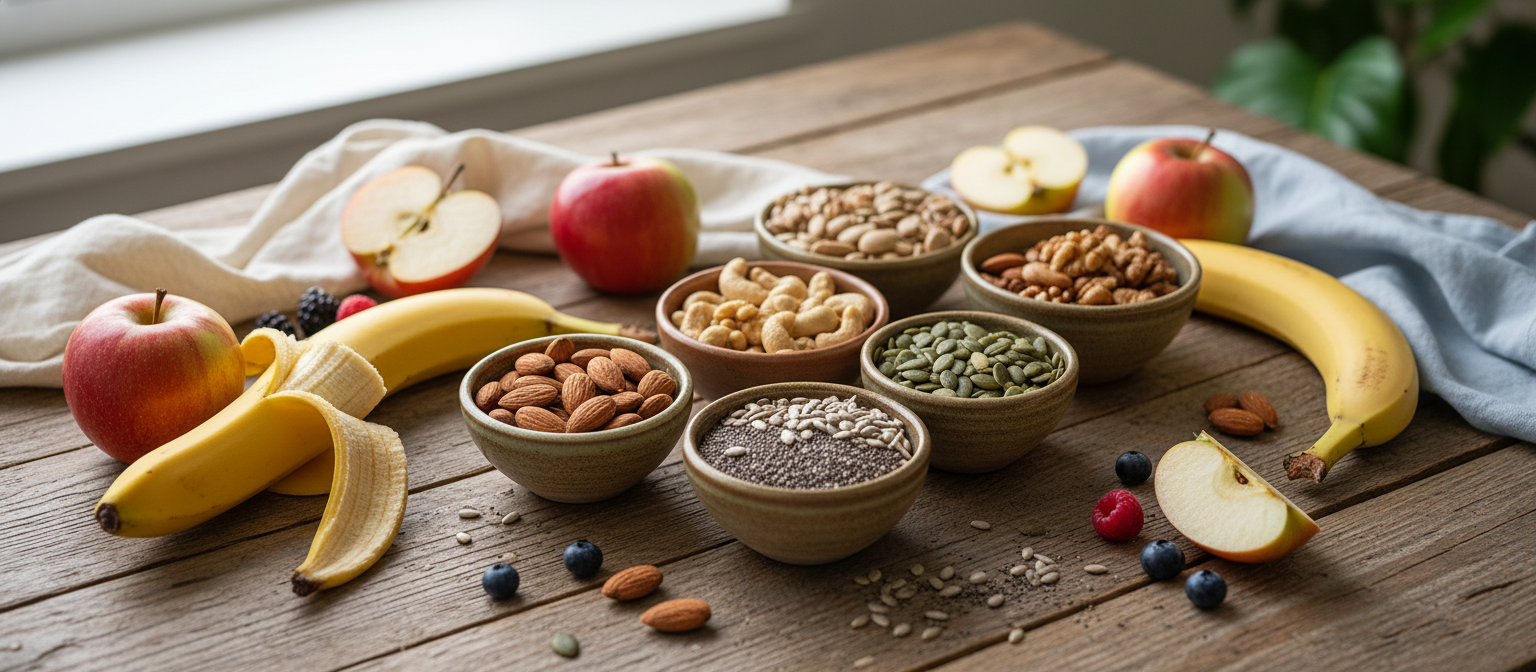
Nuts and seeds are nutrient-dense foods that provide healthy fats, protein, and fiber. Almonds, walnuts, chia seeds, and flaxseeds are just a few examples. These foods not only help keep you feeling satiated but also support heart health and weight management.
Incorporating a handful of nuts or seeds into your daily routine can be as simple as adding them to your breakfast or using them as a topping for salads and desserts. Just be mindful of portion sizes, as nuts can be calorie-dense. A small handful is usually sufficient to reap their health benefits. What is Micro Computer? An In-Depth Exploration
Nut Varieties and Their Benefits

Almonds are particularly known for their vitamin E content, which supports skin health, while walnuts are rich in antioxidants. Pumpkin seeds are an excellent source of magnesium, essential for many bodily functions, including muscle and nerve function. So, experiment with different nuts and seeds to discover your favorites!
5. Whole Grains
Whole grains, such as quinoa, brown rice, and oats, are essential components of a healthy diet. Unlike refined grains, whole grains retain their bran and germ, which means they’re high in fiber, vitamins, and minerals. They can help improve digestive health and lower the risk of heart disease.
Switching to whole grains can be an easy adjustment. For breakfast, choose oatmeal or whole-grain toast. At lunch or dinner, opt for brown rice or quinoa instead of white rice or pasta. Whole grains not only provide sustained energy but also keep you feeling full for longer periods.
The Role of Fiber
Fiber is crucial for digestive health. It helps maintain bowel regularity and can prevent constipation. Additionally, high-fiber diets are associated with lower cholesterol levels and a reduced risk of heart disease. Incorporating a variety of whole grains into your meals can significantly increase your fiber intake.
6. Avocado
Avocado is a unique fruit that’s rich in healthy fats, particularly monounsaturated fat. This type of fat is beneficial for heart health and can help lower bad cholesterol levels. Avocados are also high in potassium, which is essential for maintaining healthy blood pressure levels.
The creamy texture of avocados makes them a perfect addition to salads, smoothies, or as a spread on toast. They’re versatile and can be used in both savory and sweet dishes. Plus, their healthy fats can help you absorb fat-soluble vitamins from other foods.
Creative Ways to Use Avocado
Besides the classic avocado toast, consider adding mashed avocado to your smoothies for a creamy texture or use it as a base for salad dressings. You can also slice it up and add it to tacos or sandwiches for added flavor and nutrition.
7. Sweet Potatoes
Sweet potatoes are a nutritious source of complex carbohydrates, fiber, and vitamins. They’re particularly high in vitamin A, which is vital for eye health. The natural sweetness of sweet potatoes makes them a favorite in many dishes, and they provide a healthier alternative to regular potatoes.
Roasting, baking, or mashing sweet potatoes are all delicious ways to prepare them. You can enjoy them as a side dish, in soups, or even as a base for healthy desserts. Their versatility and nutritional profile make them a staple in many healthy diets.
Nutritional Benefits of Sweet Potatoes
In addition to being rich in vitamins, sweet potatoes are also a good source of antioxidants, which help combat oxidative stress in the body. Their fiber content contributes to digestive health and can aid in weight management by keeping you full.
8. Greek Yogurt
Greek yogurt stands out from regular yogurt due to its higher protein content and lower sugar levels. It’s an excellent source of probiotics, which are beneficial for gut health. Incorporating Greek yogurt into your diet can support digestion and improve your immune system.
Use Greek yogurt as a base for smoothies, mix it with your favorite fruits and nuts for breakfast, or use it as a substitute for sour cream in recipes. Its creamy texture and tangy flavor make it a versatile ingredient in both sweet and savory dishes. What is Financial Loan: Understanding the Basics and Benefits
Choosing the Right Greek Yogurt
When purchasing Greek yogurt, look for options that are low in added sugars. Plain varieties are often the best choice, as they allow you to control the sweetness by adding fruits or honey. The protein content in Greek yogurt can also help keep you feeling satisfied and energized throughout the day.
9. Legumes
Legumes, including beans, lentils, and chickpeas, are fantastic sources of plant-based protein, fiber, and essential nutrients. They’re particularly beneficial for vegetarians and vegans looking to meet their protein needs. Including legumes in your meals can help stabilize blood sugar levels and support digestive health.
Legumes are incredibly versatile and can be used in salads, soups, stews, or even as meat substitutes in burgers. Their high fiber content promotes satiety, making them an excellent choice for weight management. Aim to incorporate a variety of legumes into your diet to reap their numerous health benefits.
Cooking with Legumes
When cooking with legumes, consider soaking dried beans overnight to reduce cooking time and enhance digestibility. Canned legumes are also convenient options; just rinse them to remove excess sodium. Experiment with different types of legumes to discover which ones you enjoy the most!
10. Dark Chocolate
Yes, you read that right! Dark chocolate, when consumed in moderation, can be part of a healthy diet. It’s rich in antioxidants and has been linked to various health benefits, including improved heart health and brain function. The key is to choose dark chocolate with at least 70% cocoa content to maximize its health benefits.
Incorporating dark chocolate into your diet can be as simple as enjoying a small piece as a treat or using it in recipes. Add it to smoothies, oatmeal, or even baked goods for an indulgent yet healthy twist. Just remember, moderation is key!
The Health Benefits of Dark Chocolate
Dark chocolate has been shown to lower blood pressure, improve cholesterol levels, and enhance cognitive function. The flavonoids found in dark chocolate can improve blood flow to the brain and heart. So, indulge your sweet tooth without guilt by choosing high-quality dark chocolate.
FAQs
What are the top 10 healthy foods?
The top 10 healthy foods include leafy greens, berries, fatty fish, nuts and seeds, whole grains, avocado, sweet potatoes, Greek yogurt, legumes, and dark chocolate.
Why are healthy foods important?
Healthy foods provide essential nutrients that support overall health, boost energy levels, and reduce the risk of chronic diseases.
How can I incorporate these foods into my diet?
You can incorporate these foods by adding them to meals and snacks, experimenting with recipes, and making gradual changes to your grocery list.
Are there any foods I should avoid?
It’s best to limit processed foods, added sugars, and unhealthy fats to maintain a balanced diet.
Can I eat dark chocolate daily?
In moderation, dark chocolate can be a part of a healthy diet due to its antioxidant properties.
