Disclosure: This post may contain affiliate links. We may earn a commission at no extra cost to you.
Why Nutrition Matters
Eating well isn’t just about looking good; it’s about feeling good, too. The foods you consume have a profound impact on your overall health, energy levels, and mental well-being. When you choose the best foods for health, you’re investing in your body and future. A balanced diet rich in essential nutrients can help reduce the risk of chronic diseases, improve your mood, and even enhance cognitive function.
Moreover, understanding what to include in your meals can transform your lifestyle. It’s not merely about cutting out unhealthy foods but rather about incorporating nutrient-dense options that provide your body with the fuel it needs. This article explores a variety of these foods, offering insights into their benefits and how they can fit into your daily diet.
Whole Grains: The Foundation of a Healthy Diet
Whole grains are often overlooked, but they’re essential for a balanced diet. Foods like brown rice, quinoa, and whole wheat bread are packed with fiber, which promotes digestive health and helps maintain a healthy weight. Fiber-rich foods make you feel full longer, reducing the likelihood of overeating.
Additionally, whole grains are a great source of essential vitamins and minerals, including B vitamins, iron, magnesium, and antioxidants. These nutrients play a key role in energy production and help support your immune system. Incorporating whole grains into your meals can be as simple as swapping out white rice for quinoa or choosing whole grain pasta over its refined counterpart. By doing so, you’re not only making a healthier choice but also adding variety to your diet.
Benefits of Whole Grains
Here are some notable benefits of incorporating whole grains into your diet:
- Heart Health: Whole grains can help lower cholesterol levels and reduce the risk of heart disease.
- Weight Management: The high fiber content aids in weight control by promoting satiety.
- Blood Sugar Control: Whole grains have a lower glycemic index compared to refined grains, which helps in regulating blood sugar levels.
Fruits and Vegetables: Nature’s Powerhouses
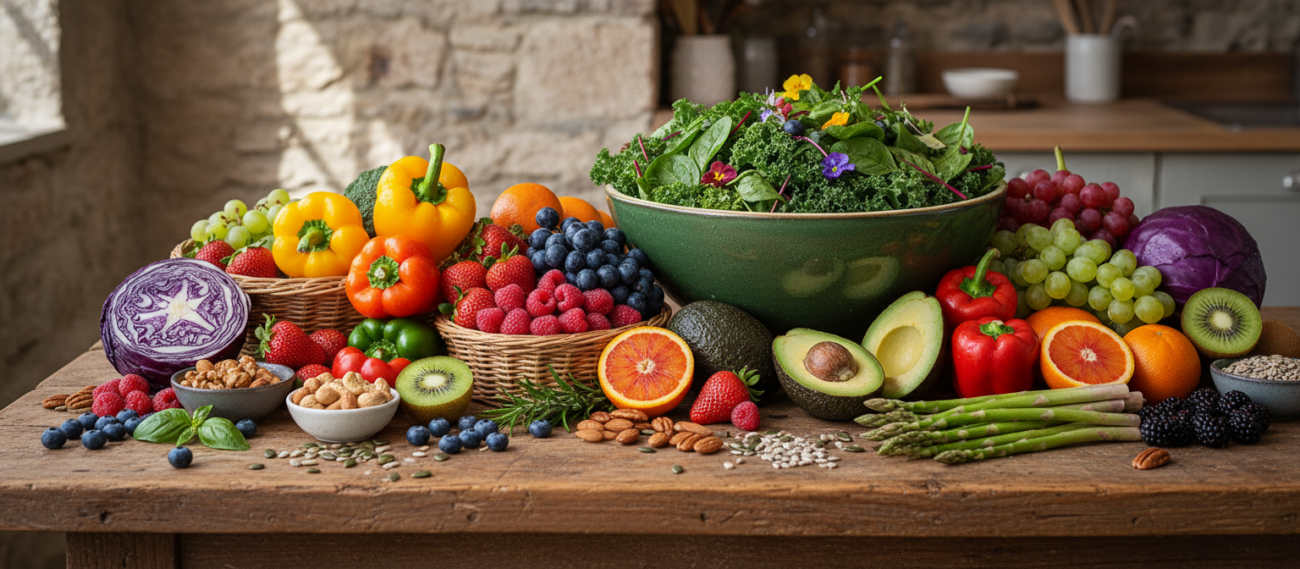
No discussion of the best foods for health would be complete without mentioning fruits and vegetables. These foods are rich in vitamins, minerals, and antioxidants that combat oxidative stress in the body. Apples, berries, spinach, and carrots are just a few examples of fruits and vegetables that can significantly boost your health.
Fruits and vegetables are also low in calories and high in water content, making them excellent choices for weight management. They provide essential nutrients like potassium, which helps manage blood pressure, and vitamin C, known for its immune-boosting properties. Aim to fill half your plate with these colorful foods at every meal for maximum benefit.
Incorporating More Fruits and Vegetables
To increase your intake of fruits and vegetables, consider these tips:
- Add a serving of fruit to your breakfast, such as berries in your oatmeal.
- Snack on raw vegetables with hummus instead of chips.
- Make smoothies with a variety of fruits and leafy greens for a nutrient-packed drink.
Healthy Fats: The Good Kind
Not all fats are created equal. Healthy fats, found in foods like avocados, nuts, and olive oil, are crucial for maintaining heart health and supporting brain function. Contrary to popular belief, consuming healthy fats can actually aid in weight loss and help you feel satisfied after meals. Top 10 Healthy Foods: Nourish Your Body and Mind
Omega-3 fatty acids, in particular, found in fatty fish like salmon and walnuts, are known for their anti-inflammatory properties. They can help reduce the risk of chronic diseases and support mental health. When incorporating fats into your diet, focus on unsaturated fats while limiting saturated and trans fats.

Sources of Healthy Fats
Here are some excellent sources of healthy fats to consider:
- Avocados: Rich in monounsaturated fats and potassium.
- Nuts: Almonds, walnuts, and cashews provide protein and healthy fats.
- Olive Oil: A staple in Mediterranean diets, great for cooking and dressings.
Lean Proteins: Building Blocks of Health
Protein is essential for muscle repair, immune function, and overall health. Choosing lean protein sources, such as chicken, turkey, beans, and legumes, can help you meet your protein needs without excess saturated fat. These options are not only healthy but also versatile, fitting into a myriad of recipes.
Incorporating protein-rich foods into your meals can help keep you full and satisfied, preventing those pesky cravings between meals. Moreover, protein is crucial for maintaining muscle mass, especially as you age. Ensuring adequate protein consumption becomes vital for overall health and vitality.
Ways to Add Lean Proteins to Your Diet
Consider these suggestions for increasing your protein intake:
- Include beans or lentils in salads or soups for added protein.
- Opt for grilled chicken or turkey in wraps instead of high-fat meats.
- Snack on Greek yogurt or cottage cheese for a protein boost.
Fermented Foods: Gut Health Heroes
Fermented foods like yogurt, kimchi, and sauerkraut are fantastic for gut health. They contain probiotics, which support a healthy balance of gut bacteria. A healthy gut is crucial for digestion, nutrient absorption, and even mental health. Research shows a strong connection between gut health and overall well-being.
Adding fermented foods to your diet can help improve digestion and may even boost your immune system. Not only are they beneficial, but they can also add exciting flavors and textures to your meals. Consider incorporating a serving of fermented food into your daily routine for optimal health benefits.
Examples of Fermented Foods
Here are some popular fermented foods to try: What is Micro Computer? An In-Depth Exploration
- Yogurt: Look for options with live cultures for maximum benefits.
- Kefir: A yogurt-like drink that’s rich in probiotics.
- Kimchi: A spicy fermented vegetable dish that’s great as a side.
Hydration: The Overlooked Essential
Often neglected in discussions about nutrition, hydration is a key component of overall health. Water plays a critical role in every bodily function, from digestion to temperature regulation. Staying well-hydrated can improve your energy levels, cognitive function, and even skin health.
While water is the best choice for hydration, you can also get fluids from fruits, vegetables, and other beverages. Aim to drink at least eight 8-ounce glasses of water a day, adjusting for activity level and climate. Remember, feeling thirsty is a sign that your body is already dehydrated.

Tips for Staying Hydrated
To ensure you’re drinking enough water, consider these strategies:
- Carry a reusable water bottle to track your intake throughout the day.
- Infuse your water with fruits like lemon or cucumber for added flavor.
- Set reminders on your phone to drink water regularly.
Conclusion
Choosing the best foods for health is about making informed decisions that nourish your body. By focusing on whole grains, fruits, vegetables, healthy fats, lean proteins, fermented foods, and hydration, you can create a balanced diet that supports your overall well-being. Small changes can lead to significant health benefits over time, so start incorporating these foods into your meals today!
FAQs
1. What are the best foods for boosting immunity?
Foods rich in vitamin C, like oranges and bell peppers, along with garlic and yogurt, are excellent for boosting immunity.
2. How can I incorporate more vegetables into my diet?
Try adding vegetables to smoothies, soups, and omelets or make salads the main course of your meals.
3. Are all fats bad for you?
No, healthy fats like those found in avocados, nuts, and olive oil are beneficial for heart health and overall well-being.
4. How important is hydration in a healthy diet?
Hydration is crucial; it supports digestion, nutrient transport, and temperature regulation in the body.
5. What is the role of fiber in a healthy diet?
Fiber aids digestion, helps maintain a healthy weight, and lowers the risk of chronic diseases.
