
Disclosure: This post may contain affiliate links. We may earn a commission at no extra cost to you.
Understanding Affordable Housing in Canada
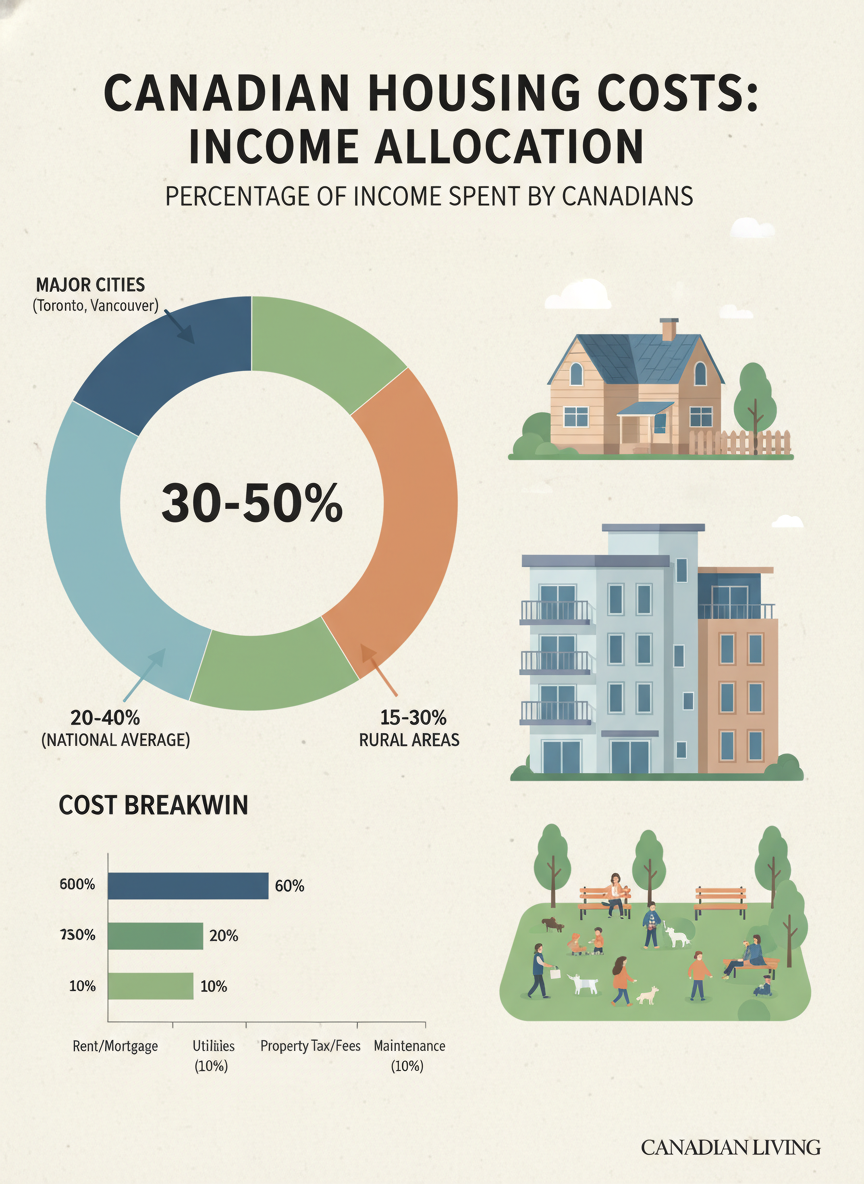
Affordable housing has become a pressing issue in Canada, drawing attention from all corners of society. Many Canadians struggle to find a place to live that doesn’t burden them financially. With rising costs in major cities, understanding what affordable housing means is crucial. In essence, affordable housing refers to housing that is reasonably priced based on the household’s income. According to the Canada Mortgage and Housing Corporation (CMHC), a household should not spend more than 30% of its income on housing to be considered affordable.
Various factors influence the availability and affordability of housing in Canada, including economic conditions, government policies, and urban planning strategies. It’s essential to recognize that the challenges of affordable housing aren’t uniform across the country. Urban centers like Toronto and Vancouver face intense competition for housing, while rural areas might have different dynamics. In this blog, we’ll explore the current landscape of affordable housing in Canada, the initiatives in place to support it, and how you can find resources to help you navigate the housing market.
The Current State of Affordable Housing in Canada
The housing market in Canada is undergoing significant changes. As of 2023, many Canadians are grappling with skyrocketing prices, especially in major urban centers. The Canadian Real Estate Association reported that the average price of a home has increased dramatically, making it increasingly difficult for first-time buyers and low-income families to find affordable options. The situation is exacerbated by low vacancy rates in many cities, which further drives up rental prices. For renters, the market can feel overwhelmingly competitive.
Moreover, the COVID-19 pandemic has shifted housing demands, causing some individuals to reconsider their living situations. Remote work has led many to seek homes in suburban or rural areas, where prices are generally lower. This shift has created opportunities for affordable housing projects in less densely populated regions. However, the demand for affordable housing continues to outstrip supply, leading to ongoing challenges. It’s essential to stay informed about market trends and government initiatives aimed at increasing affordable housing stock to make educated decisions about your housing needs.
Government Programs Supporting Affordable Housing
The Canadian government has recognized the importance of affordable housing and implemented various programs to support it. The National Housing Strategy (NHS) is a 10-year plan that aims to reduce homelessness and improve access to affordable housing across the country. This strategy involves investment in new housing projects, renovation of existing properties, and support for community housing initiatives.
Additionally, programs like the Canada Housing Benefit provide direct financial assistance to low-income renters, helping them afford their rent. The government also collaborates with non-profits and private sector players to develop and maintain affordable housing units. Understanding these programs is crucial for anyone looking for affordable housing options. You can find detailed information on government resources and how they can assist you in your housing journey on the [CMHC website](https://www.cmhc-schl.gc.ca/en).
Finding Affordable Housing: Tips and Strategies
Searching for affordable housing can be a daunting task, but having a plan can make it more manageable. Here are some strategies to help you find suitable options: Best Cities to Live in Canada 2026: Your Ultimate Guide
- Utilize Online Resources: Websites like Kijiji, Craigslist, and specialized rental platforms can help you find listings that fit your budget.
- Network: Reach out to friends, family, and colleagues. They might know of available rentals or developments in your area.
- Explore Government Listings: Check local government websites for housing programs and available units.
- Consider Shared Housing: Renting with roommates can significantly reduce costs and make housing more affordable.
- Stay Informed: Keep an eye on new developments and community housing initiatives in your area.
By implementing these strategies, you can increase your chances of finding affordable housing that meets your needs.

Community Initiatives for Affordable Housing
Many communities in Canada have taken the initiative to address affordable housing shortages through local programs and partnerships. Community land trusts, for example, are non-profit organizations that acquire land to develop affordable housing. These trusts help ensure that housing remains affordable over the long term, preventing price inflation due to market pressures. Additionally, community development corporations often work alongside local governments to create affordable housing projects tailored to specific community needs.
Furthermore, community engagement plays a vital role in advocating for affordable housing. Local advocacy groups often lobby for policy changes that promote affordable housing development, zoning reforms, and increased funding for housing projects. By participating in these initiatives, you can help influence the direction of housing policy in your community.
The Role of Non-Profits in Affordable Housing
Non-profit organizations play a significant role in promoting and providing affordable housing in Canada. Many of these organizations work directly to create housing units, while others focus on advocacy and education. They often collaborate with government bodies to secure funding and support for housing projects.
One notable non-profit in this space is Habitat for Humanity, which builds homes for families in need through volunteer labor and donations. Their model not only provides affordable housing but also fosters community involvement. Non-profits often offer resources and workshops to educate individuals about housing rights and financial literacy, which can be invaluable for those navigating the housing market.
How to Advocate for Affordable Housing in Your Community
Advocating for affordable housing in your community can lead to meaningful change. Here are several steps you can take: Best Foods for Health: Nourish Your Body Naturally
- Educate Yourself: Understand the issues surrounding affordable housing, including local policies and economic factors.
- Join Local Organizations: Connect with local groups focused on housing advocacy. They often have resources and events that can amplify your voice.
- Attend Public Meetings: Participate in town halls and city council meetings. Speak up about the need for affordable housing in your area.
- Connect with Local Representatives: Reach out to your elected officials to express your concerns and support for affordable housing initiatives.
- Raise Awareness: Use social media and community platforms to inform others about the importance of affordable housing and how they can get involved.
Your advocacy can help bring attention to the affordable housing crisis and encourage local leaders to prioritize housing initiatives.
FAQs
What constitutes affordable housing in Canada?
Affordable housing is generally defined as housing that costs no more than 30% of a household’s gross income. This includes both rental and ownership options.
How can I find affordable rental units?
Start by searching online platforms, connecting with local non-profits, and checking government resources for listings and available assistance programs.
Are there government grants for first-time homebuyers?
Yes, the Canadian government offers various programs and grants to assist first-time homebuyers, including the First-Time Home Buyer Incentive.
How can I get involved in housing advocacy?
Join local advocacy groups, attend public meetings, and educate others on the importance of affordable housing in your community.
What role do non-profits play in affordable housing?
Non-profits often build and manage affordable housing units, advocate for policy changes, and provide education on housing rights.
