
Disclosure: This post may contain affiliate links. We may earn a commission at no extra cost to you.
The Evolution of Mobile Payments in Travel
Mobile payments have transformed how we handle transactions in the travel industry. In 2027, you’ll see even more innovative approaches to mobile payments that make traveling easier and more secure. The shift from cash to mobile wallets has already begun, and it’s only going to accelerate. With advancements in technology like NFC (Near Field Communication) and QR codes, you can expect mobile payments to become the norm, not the exception.
Consider this: by 2027, most travelers will prefer to use their smartphones for transactions instead of traditional credit cards or cash. The convenience of paying with a tap or scan is far more appealing than fumbling through your wallet for change. Moreover, the rise of digital currencies and crypto payment options will further shape the future of mobile payments in travel. As you navigate your journeys, these technologies will streamline the payment process, making it faster and more efficient.
Key Features of Mobile Payment Technology
As the future of mobile payments in travel 2027 approaches, several key features will become essential:
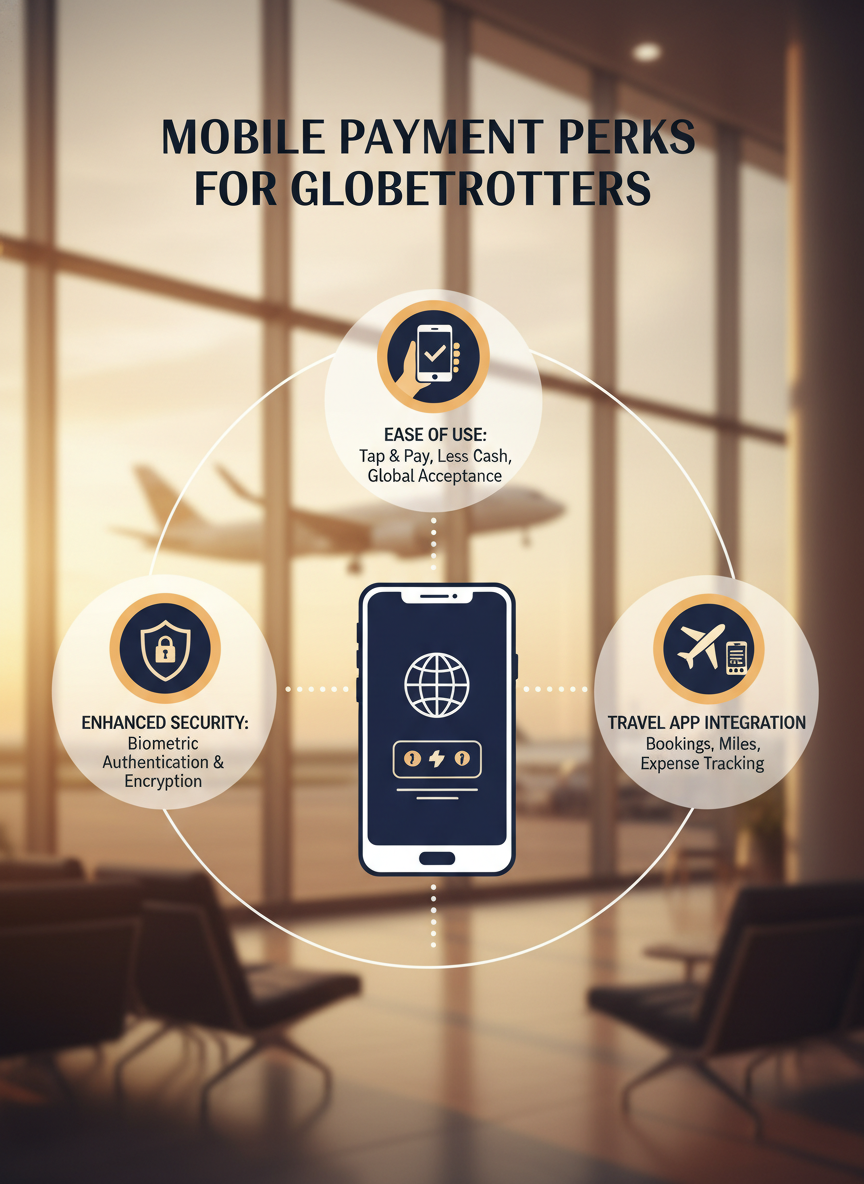
- Contactless Transactions: You’ll notice an increase in contactless payment options, allowing you to pay for services just by holding your phone near a terminal.
- Integrated Travel Apps: Many travel apps will integrate payment solutions, enabling you to book flights, hotels, and excursions without leaving the app.
- Enhanced Security: With features like biometric authentication and tokenization, your transactions will be safer than ever.
Impact of Blockchain on Mobile Payments
Blockchain technology is poised to revolutionize mobile payments by providing a decentralized system that enhances security and transparency. In 2027, you can expect mobile payment platforms to leverage blockchain to reduce fraud and transaction costs significantly. This technology allows real-time processing of transactions while ensuring that your sensitive data remains private.
For instance, imagine booking a hotel room using a blockchain-based platform. The transaction would be secure, fast, and transparent, allowing you to see all fees upfront. Moreover, with smart contracts, you could automate payments based on specific conditions, such as checking in and out. This efficiency will make your travel experiences smoother and more predictable.
Mobile Payments and Travel Loyalty Programs
In the future of mobile payments in travel 2027, loyalty programs will become increasingly intertwined with mobile payment systems. As you make purchases while traveling, your payments could automatically earn you points or rewards through a connected loyalty program. This integration will encourage you to use mobile payments, knowing that you’re also benefiting from your spending.
Travel companies will likely create exclusive offers and discounts for users who choose mobile payments. For example, booking a flight through a specific app could earn you double points if you use their mobile payment option. This strategy not only enhances customer retention but also makes every transaction more rewarding for you. How to Balance Work and Travel: Master the Art of Both
The Role of AI in Enhancing Mobile Payment Experiences
Artificial intelligence will play a crucial role in optimizing mobile payment experiences by 2027. By analyzing your spending habits, AI can recommend services or offers that suit your preferences. Additionally, AI can help in fraud detection, identifying unusual transactions in real-time and alerting you immediately.
Imagine walking through an airport where your mobile payment app suggests the best coffee shop based on your previous visits. Or, receiving alerts about discounts on flights you frequently book. This personalization will not only enhance your travel experience but also build stronger relationships between you and travel brands.
Challenges Ahead for Mobile Payments
Despite the promising future, several challenges remain for mobile payments in travel. One of the main issues is the digital divide; not everyone has access to smartphones or the internet. Therefore, travel companies must ensure that their mobile payment solutions cater to all demographics.
Another challenge is regulatory compliance. As mobile payments evolve, governments will implement new regulations to protect consumers. Staying ahead of these changes will be crucial for companies that want to thrive in this space. To navigate these challenges, businesses need to invest in training their teams and developing flexible solutions that adapt to regulatory changes.
The Importance of User Education
As mobile payment technology advances, educating users about its benefits and functionalities will be essential. By 2027, travel companies will need to provide comprehensive resources and support for travelers to maximize their mobile payment experiences.
For instance, creating tutorials that explain how to set up and use mobile wallets will empower users. Providing clear information on security measures will also boost confidence. The more educated travelers are about mobile payments, the more likely they will use these technologies, benefiting both them and the travel industry. Best Tech Gadgets for Travelers 2027: Must-Haves
Future Technologies to Watch
As you think about the future of mobile payments in travel 2027, keep an eye on emerging technologies that may further influence this space:
- 5G Technology: Faster internet speeds will enhance mobile payment applications, making transactions instantaneous.
- Augmented Reality (AR): AR could revolutionize how you interact with mobile payment systems, allowing for visual guides and immersive experiences.
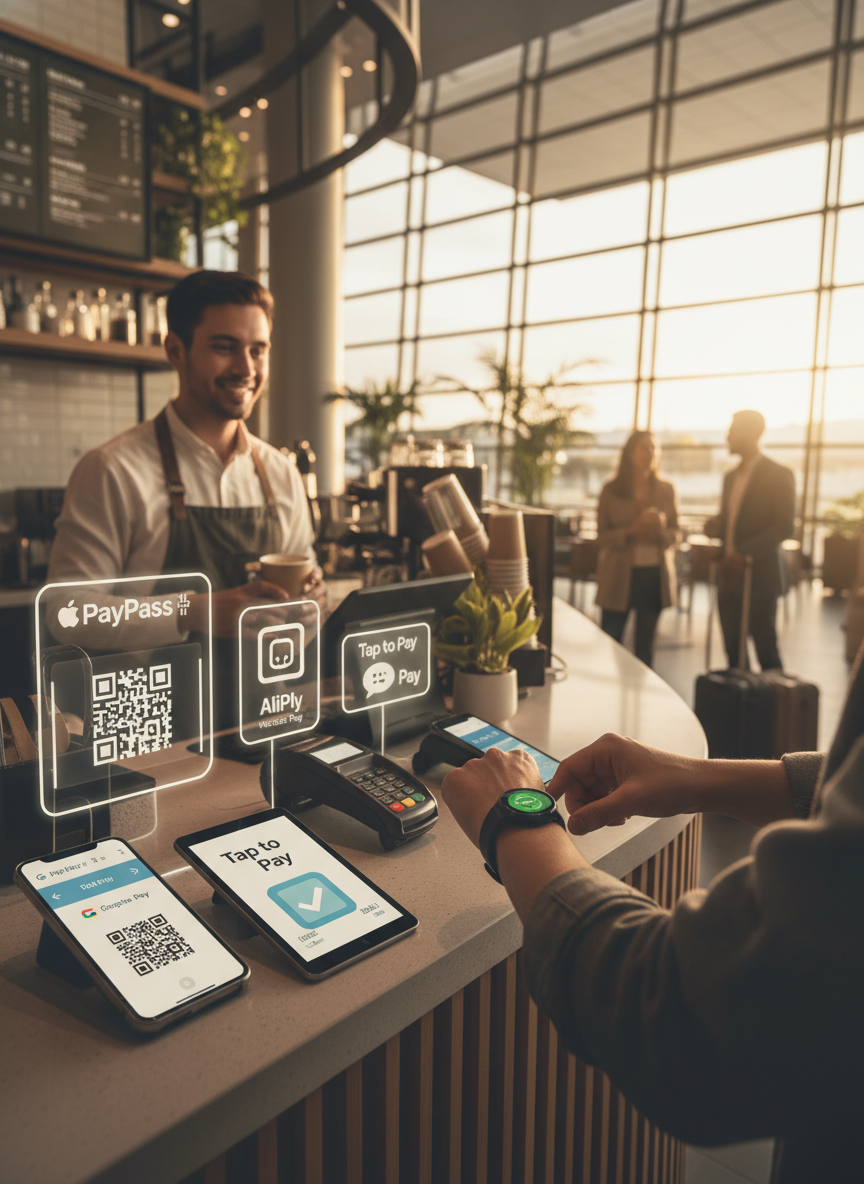
- Wearable Devices: Smartwatches and fitness bands may become primary tools for mobile payments, providing even greater convenience.
Conclusion
As we look toward the future of mobile payments in travel 2027, the landscape is set for extraordinary growth and innovation. With advancements in technology, enhanced security, and a focus on user experience, mobile payments will become an integral part of your travel journey. Staying informed and adapting to these changes will ensure you get the most out of your experiences as a traveler.
FAQs
What are mobile payments?
Mobile payments allow you to make transactions using your smartphone or other mobile devices, often through apps or digital wallets.
How will mobile payments change travel by 2027?
By 2027, mobile payments will likely become more secure, integrated with travel apps, and offer loyalty rewards, making transactions faster and more convenient.
What technologies will impact mobile payments?
Technologies like blockchain, AI, and 5G will significantly enhance mobile payment systems, improving security and transaction speeds.
Are mobile payments safe?
Yes, mobile payments can be very safe, especially with features like biometric authentication and tokenization that protect your information.
How can I prepare for mobile payments in the future?
Stay informed about new technologies, educate yourself on how to use mobile wallets, and keep your devices secure to enjoy the benefits of mobile payments.
